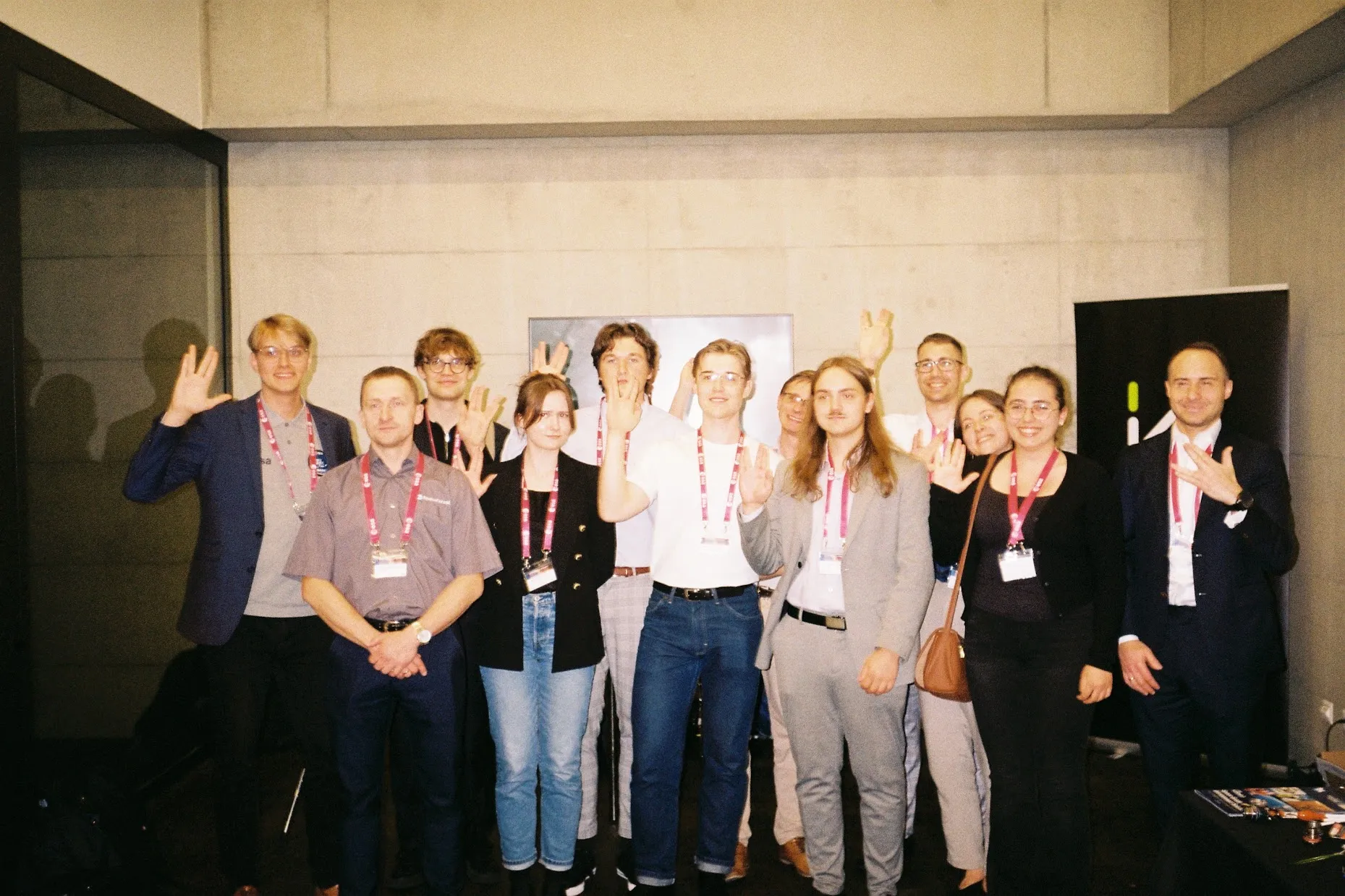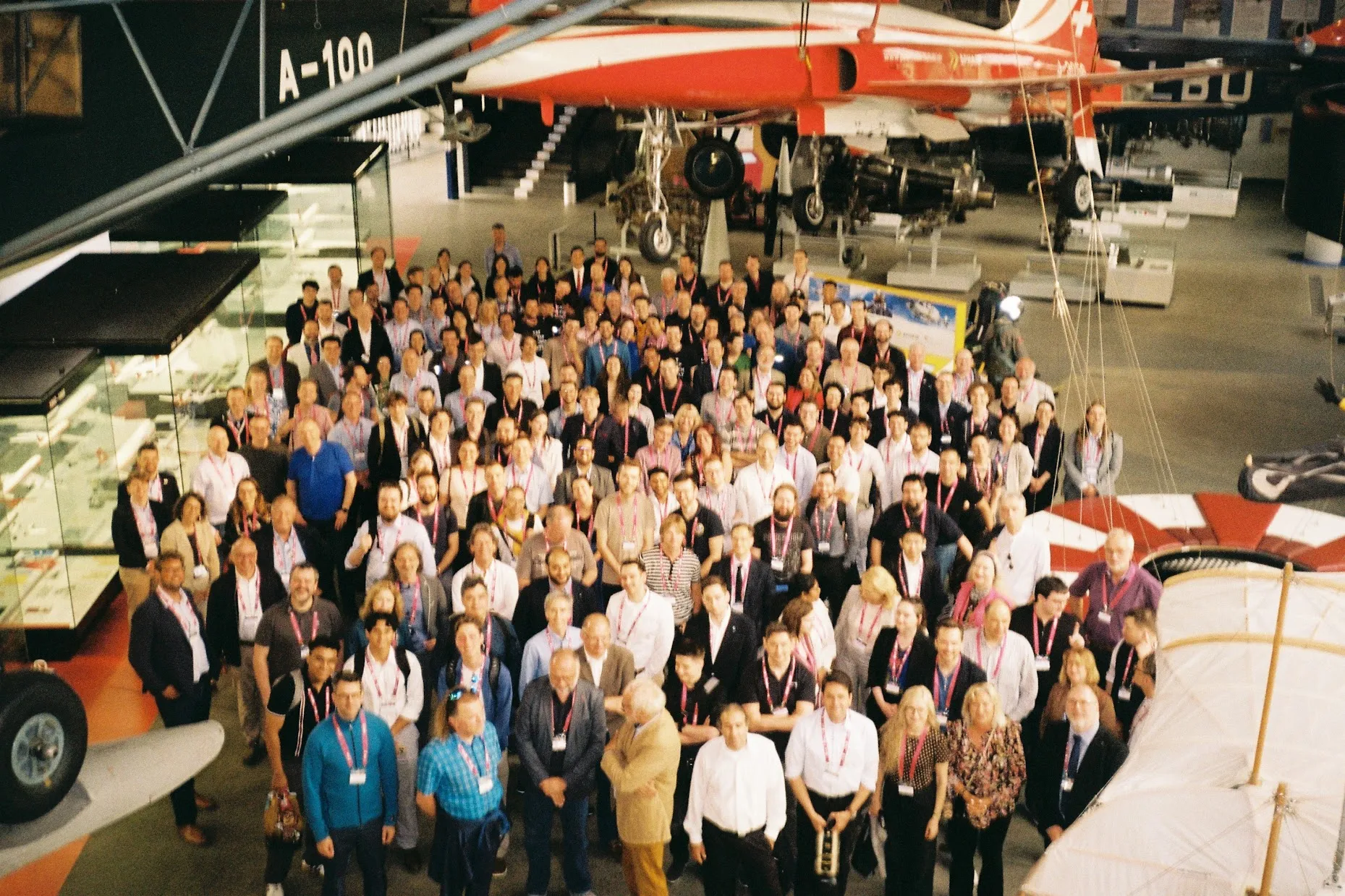
Two years after Biarritz, the ESA PAC Symposium was in Lucerne, Switzerland, and I went there with a paper that asked a simple question: what happens to a student balloon programme after BEXUS?
For a student team, BEXUS is the peak. And then the people who built the experiment graduate. After Stardust many of our senior members moved on, and we had to find new people and pass on what we knew. Luckily the project got some recognition, and a lot of first-year students wanted to join. We split the work into two teams: SimLE Stardust NEXT for the balloon platform, and SimLE Science for the experiments.
The paper follows the three missions since then:
- 27 February 2022: The first mission after BEXUS was a training flight (I posted the videos from it back then). The payload was just a radiosonde with a camera. The real point was the procedures: preparing the equipment and the launch site, filling and launching the balloon, and then tracking it and chasing it by car to the landing site.
- 26 May 2023: The first mission that the new team designed and built themselves, with a new on-board computer, a new communication system and new rigging with a servo-actuated mechanical cutter. The cutter didn't work, because the lines got tangled as the gondola rotated. The team expected this could happen and added 10-15 m of extra rope so the parachute could open anyway, and the flight train landed safely. The payload included an analog camera, a quantum random number generator and Paulownia tree seeds, which were later auctioned for charity.
- 9 August 2023: The new team did this one completely on their own, without any senior members. It carried STORM, an experiment from SimLE Science that sampled stratospheric air to study how toxins migrate at different altitudes. The new hot-wire cutter didn't burn long enough to release the rig, so the cutter is still a problem to solve. But the experiment collected its scientific data, and the two teams learned to work together.
The best news came after that. On the day of the August mission the two teams officially joined as SimLE STORMDUST. They applied to REXUS/BEXUS, were invited to the selection workshop in November, and on 13 December 2023 they were accepted into Cycle 15. SimLE is going back to BEXUS, with a payload that samples stratospheric air for volatile chemical compounds and microorganisms. The goal is a chemical map of the stratosphere.
The team has more plans: missions from other places around the world, a drone for quick low-altitude tests of electronics and payloads, and launching stratospheric payloads for external researchers and companies.
Presenting this in Lucerne made me proud. Not because of one mission, but because the project didn't end when we left.
Read the full paper: Life After BEXUS: Stratospheric Balloon Activities at Gdańsk University of Technology (PDF).